

Georgia’s heat, humidity, and sun can take a toll on any wood fence. Over time, you may notice your stain starting to fade, peel, or appear blotchy, leaving your once-beautiful fence looking tired and uneven. While this is a common issue for homeowners across Augusta, it’s also one that can be fixed and prevented with the right approach.
At Pender Pro, we’ve helped countless homeowners restore their fences to their original beauty. Here’s what causes fence stain issues, how to assess the damage, and the steps you can take to repair and protect your investment for years to come.
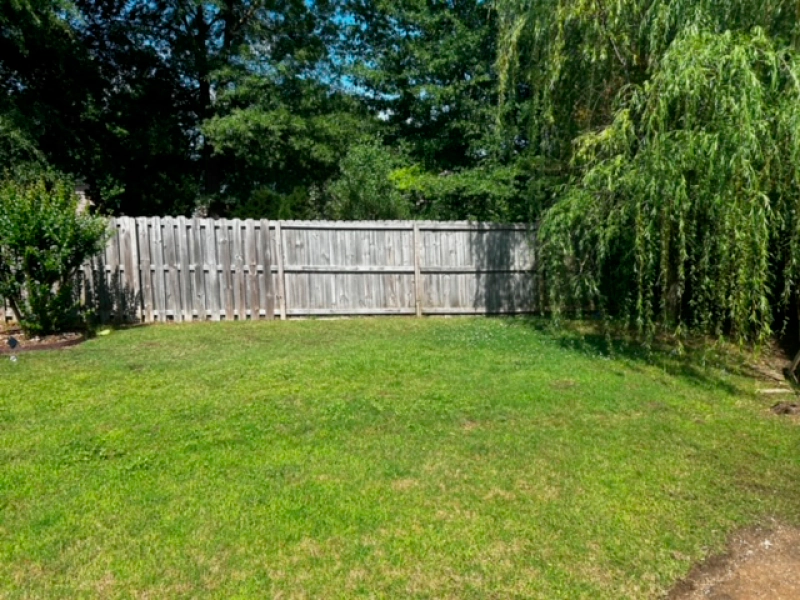
1. What Causes Fence Stain Problems?
Fence stains are designed to enhance wood grain and protect against the elements, but several factors can cause premature wear and damage.
Sun Exposure (UV Damage)
Augusta’s strong sunlight breaks down stain pigments and dries out the wood underneath. UV rays oxidize the color, leading to fading and discoloration, especially on south- and west-facing fences.
Moisture and Humidity
Rain, morning dew, and high humidity levels penetrate the wood surface. As moisture evaporates, it causes the stain layer to lift, crack, or peel. Repeated wet/dry cycles accelerate the deterioration of the finish.
Poor Surface Preparation Before Staining
Skipping steps like cleaning, sanding, or allowing the wood to dry properly before staining can cause poor adhesion. If the surface still had mildew, dirt, or old finish residue, the new stain won’t bond correctly, leading to uneven coloring and flaking.
Using the Wrong Product or Application Method
Oil-based stains penetrate wood differently than water-based options. If applied incorrectly or in extreme temperatures, even high-quality stains can fail prematurely. Thick, uneven coats may dry on the surface rather than soak into the wood.
2. How to Assess the Damage
Before jumping into repairs, take a close look at your fence’s condition to decide whether it needs a touch-up or a full refinishing.
- Check for texture: Run your hand along the boards. If the surface feels chalky, dry, or flaky, it’s time for re-staining.
- Observe color variation: Fading or patchy spots indicate UV damage.
- Inspect peeling areas: If the stain peels off easily, the old finish must be stripped before new stain is applied.
- Probe for rot or soft spots: Discoloration paired with softness may mean moisture damage beyond the stain layer.
If you’re unsure, a professional inspection from Pender Pro can determine whether your fence needs simple cleaning or a full refinishing job.
3. How to Fix or Redo a Failing Fence Stain
Step 1: Clean the Surface Thoroughly
Start by washing the fence with a wood cleaner or a mixture of mild detergent and water. Remove all mildew, dirt, and debris. For stubborn areas, a low-pressure power washer can help, but keep pressure under 1500 psi to avoid damaging the grain.
Step 2: Strip or Sand Away the Old Stain (If Needed)
For peeling or uneven stains, use a wood stripper or sander to remove the old layer. This creates a fresh, uniform surface that will absorb new stain properly.
Step 3: Let It Dry Completely
After cleaning, allow at least 24–48 hours of dry weather before applying stain. In humid Augusta conditions, extra drying time ensures proper absorption and prevents blotchiness.
Step 4: Choose the Right Stain
- Oil-based stains: Great for deep penetration and rich color. Excellent for older wood.
- Water-based stains: Easier cleanup, faster drying, and lower VOCs. Ideal for newer fences or frequent re-applications.
Step 5: Apply Evenly and Correctly
Use a brush, pad, or sprayer for smooth, even coverage. Apply thin coats, working along the grain, and avoid direct sunlight during application to prevent premature drying.
Step 6: Seal (Optional but Recommended)
Once the stain cures, applying a clear UV-protective sealant adds an extra barrier against Georgia’s sun and rain.
4. Preventing Future Fence Stain Problems
Maintain Regularly: Inspect your fence annually for fading or peeling, especially after the humid summer months. Early touch-ups can prevent full refinishing later.
Re-stain Every 2–3 Years: Depending on exposure, most wood fences need a fresh coat every few years to maintain color and protection.
Clean Annually: Remove mildew and dirt with a gentle wood cleaner to prevent buildup that breaks down stain layers.
Avoid Overwatering Landscaping Near the Fence: Constant sprinkler moisture can cause the lower boards to peel or darken faster. Adjust irrigation systems to minimize overspray.
Use Professional Products and Prep Techniques: DIY staining can sometimes lead to short-term results. Professional prep (cleaning, sanding, and moisture testing) ensures the new stain bonds properly for long-lasting protection.

5. Why Choose Pender Pro for Fence Refinishing in Augusta, GA
- Local Expertise: We understand how Georgia’s sun, humidity, and storms affect wood fences.
- Professional Restoration: From cleaning to stripping and re-staining, our team revives fences to look brand new.
- High-Quality Products: We use industry-leading stains and sealants designed to withstand Augusta’s climate.
- Long-Term Care: We’ll recommend a maintenance plan so your fence stays strong and beautiful for years to come.
Bring Your Fence Back to Life with Pender Pro
Don’t let fading, peeling, or uneven stain ruin the look of your yard. With the right care and expertise, your fence can be restored to its full beauty and strength.
Whether you need a full refinishing, a small touch-up, or advice on the best stain products for Augusta’s weather, Pender Pro is here to help.
Contact us today for a free assessment and discover how easy it is to make your fence look brand-new again.