

Is a wood fence worth it in Georgia weather? This is one of the most common questions homeowners ask before investing in a fence. Georgia’s climate brings heat, humidity, heavy rain, and occasional storms. All of these factors affect how long your fence lasts and how well it performs.
Wood fencing remains one of the most popular choices across the state. It offers natural beauty, privacy, and affordability. However, it also requires proper installation and maintenance to withstand the environment.
In this guide, we will break down the pros, cons, and fence lifespan GA homeowners can expect. We will also compare materials like cedar vs pine fence options and help you decide if wood fencing is the right investment for your property.
Why Wood Fences Are Popular in Georgia
Wood fences are widely used in both urban and suburban areas because they offer flexibility in design and cost. Many homeowners choose wood due to its classic appearance and ability to blend with natural surroundings.
In areas like Evans, demand for wood fence installation Evans services continues to grow. This is because wood fencing suits both traditional and modern homes.
Here are a few reasons why wood fences remain popular:
- Natural and attractive appearance
- Cost-effective compared to vinyl or metal
- Easy to customize in height and style
- Provides excellent privacy
In addition, wood fences can be stained or painted to match your home’s exterior.
Pros of Wood Fence Installation in Georgia
1. Affordable Initial Cost
Wood fencing is generally more budget-friendly than other materials. If you are looking for a cost-effective solution, wood is often the best starting point.
2. Customizable Design
Wood can be cut, shaped, and styled in many ways. Whether you want a picket fence or a tall privacy fence, wood offers flexibility.
3. Natural Insulation and Privacy
Wood fences block noise and provide solid privacy. This makes them ideal for residential properties.
4. Eco-Friendly Option
Wood is a renewable resource, especially when sourced responsibly. It is a more environmentally friendly option compared to synthetic materials.
Cons of Wood Fences in Georgia Weather
While wood fences offer many benefits, they also come with some challenges, especially in Georgia’s climate.
1. Moisture Damage
Georgia’s humidity can cause wood to absorb moisture. This leads to warping, rot, and mold if not treated properly.
2. Maintenance Requirements
Wood fences need regular sealing, staining, or painting. Without maintenance, their lifespan decreases significantly.
3. Pest Issues
Termites and other insects can damage untreated wood. This is why choosing a pressure treated wood fence is important.
4. Shorter Lifespan Compared to Vinyl
Wood fences generally do not last as long as vinyl or metal fences. However, proper care can extend their life.
Cedar vs Pine Fence: Which Is Better?
Choosing between cedar and pine is one of the most important decisions in wood fence installation.
Cedar Fence
Cedar is naturally resistant to insects and decay. It also has a rich color and requires less chemical treatment.
Pros:
- Naturally resistant to rot
- Longer lifespan
- Low maintenance
Cons:
- Higher upfront cost
- Softer wood, may dent easily
Pine Fence (Pressure Treated)
Pine is more affordable and widely used. When treated, it becomes resistant to insects and moisture.
Pros:
- Budget-friendly
- Strong and durable when treated
- Easily available
Cons:
- Requires chemical treatment
- May warp over time
For most homeowners in Georgia, a pressure treated wood fence made from pine offers the best balance between cost and durability.
Is a Wood Fence Worth It in Georgia Weather?
The answer depends on your priorities. If you are looking for affordability and natural aesthetics, then yes, wood fencing is worth it.
However, you must be ready to invest in maintenance. Without proper care, the fence may not last as long as expected.
Wood fences perform well in Georgia when:
- Proper sealing is applied
- Regular maintenance is done
- High-quality materials are used
- Installation is done professionally
If all these factors are considered, wood fencing can be a long-lasting and valuable addition to your property.
Installation Matters More Than You Think
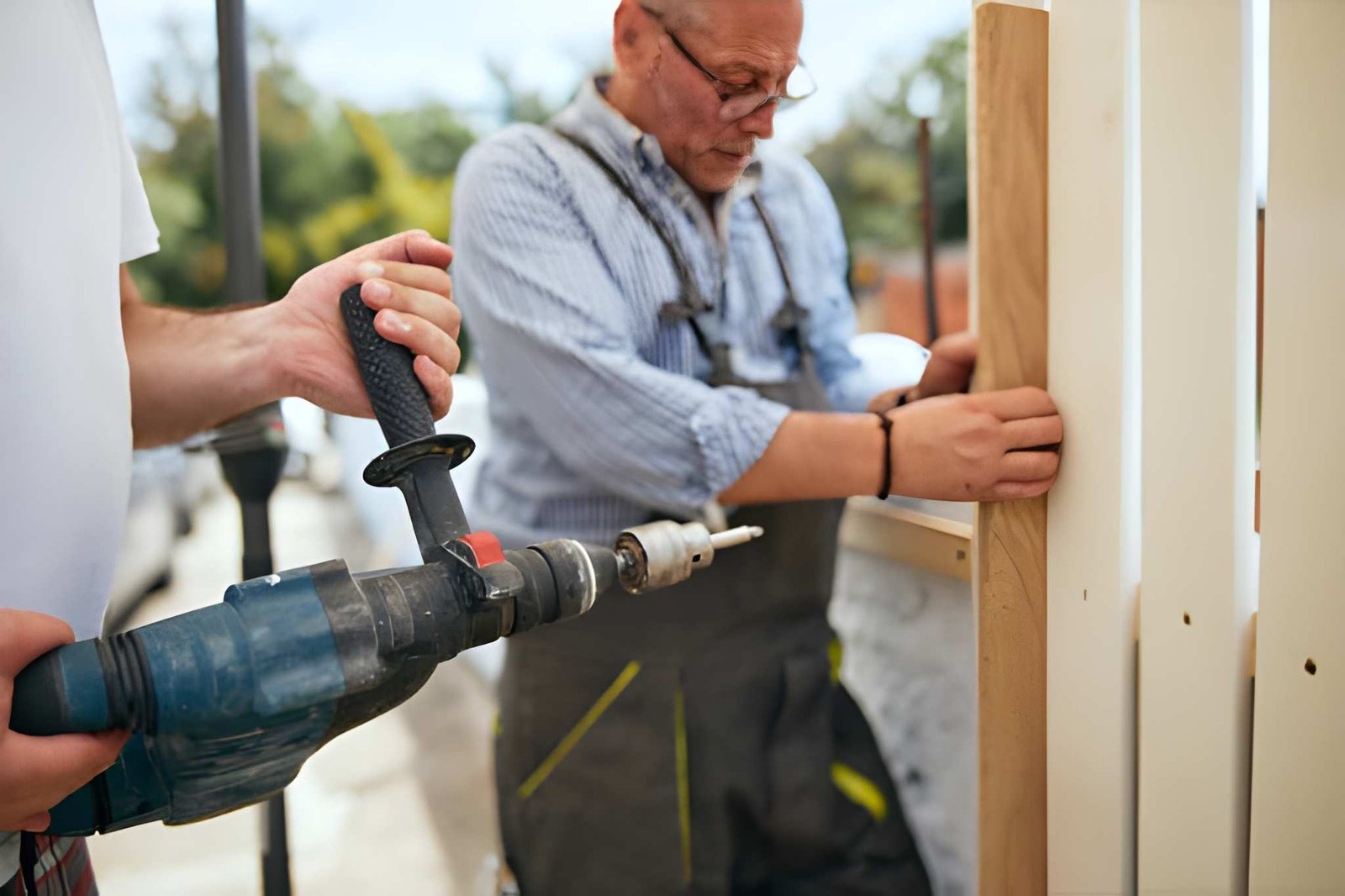
Even the best materials can fail if installation is poor. That is why hiring professionals is important.
For expert services, consider working with Pender Pro.
Professional installers ensure:
- Proper post depth for stability
- Correct spacing between panels
- Use of weather-resistant materials
- Long-term durability
This is especially important for wood fence installation Evans, where soil and weather conditions can vary.
Maintenance Tips to Extend Fence Lifespan
Maintaining your fence is key to maximizing its lifespan in Georgia.
Basic Maintenance Steps
- Seal or stain your fence every 2–3 years
- Inspect for rot or insect damage regularly
- Clean mold and mildew buildup
- Replace damaged boards quickly
These simple steps can significantly improve your fence lifespan GA.
External Resource for Weather Impact
To better understand how climate affects wood structures, you can refer to this guide:
https://www.nps.gov/articles/wood-decay.htm
It explains how moisture and fungi contribute to wood decay, which is highly relevant in humid regions like Georgia.
Cost Considerations
The cost of wood fencing varies based on material, labor, and size.
Average Cost in Georgia
- Basic pine fence: $15–$25 per linear foot
- Cedar fence: $25–$40 per linear foot
- Installation labor: varies by location
Although wood fencing is cheaper upfront, long-term maintenance costs should also be considered.
Final Verdict
So, is a wood fence worth it in Georgia weather? Yes, but only if you choose the right materials and commit to maintenance.
Wood fencing offers:
- Affordable installation
- Natural beauty
- Custom design options
However, it also requires ongoing care. If you want a balance between cost and durability, a pressure treated wood fence is often the best choice.
For homeowners seeking longevity with less maintenance, cedar may be a better option despite the higher cost.
Ultimately, your decision should depend on your budget, aesthetic preference, and willingness to maintain the fence.
FAQs
1. Is a wood fence worth it in Georgia weather?
Yes, wood fences are worth it if properly maintained. Using treated wood and regular sealing helps them withstand Georgia’s humidity and rain.
2. What is the average fence lifespan GA homeowners can expect?
Most wood fences last between 10 to 20 years depending on the material and maintenance.
3. Which is better: cedar vs pine fence?
Cedar lasts longer and requires less maintenance, while pine is more affordable and widely used when pressure treated.
4. How often should I maintain my wood fence?
You should stain or seal your fence every 2–3 years and inspect it annually for damage.
5. Why choose pressure treated wood fence?
Pressure treated wood resists moisture, rot, and insects, making it ideal for Georgia’s climate.