

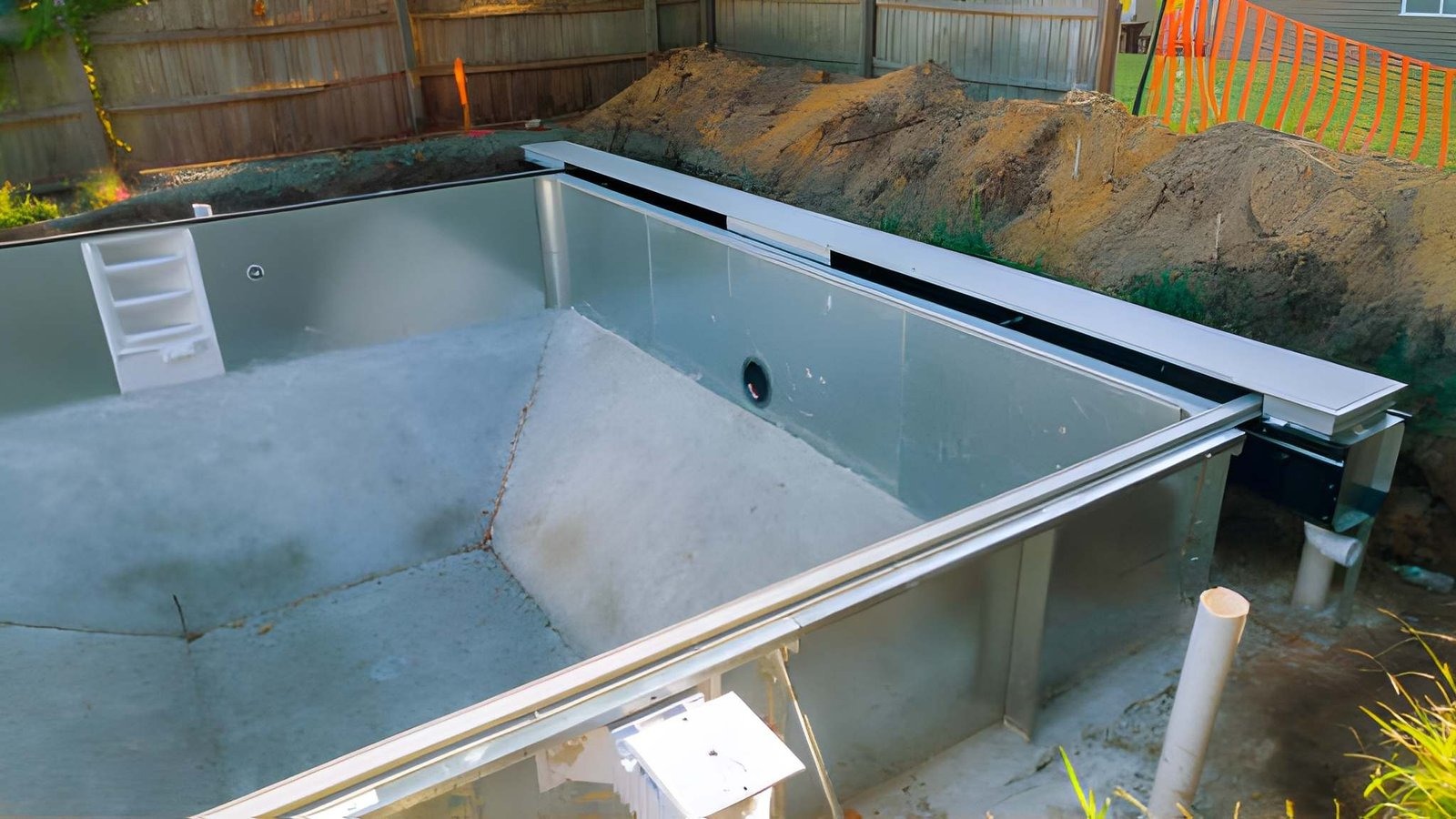
Installing a pool in your backyard is exciting, but many homeowners first ask, Do you need a pool fence in Evans GA? The answer is usually yes, as pool ownership also comes with important safety responsibilities. Pool fences play a crucial role in preventing accidents, particularly when children or pets are around. In many cases, local safety regulations require barriers around residential pools to reduce the risk of injury. Professional installation from trusted companies like PenderPro helps ensure your pool fence complies with local codes while still enhancing the appearance and functionality of your outdoor space.
Swimming pools can significantly increase property value and provide a fun gathering space for family and friends. However, they also present safety risks if proper precautions are not taken. Local governments across Georgia have adopted strict regulations to reduce the risk of accidental drowning and improve residential pool safety.
If you are asking Do you need a pool fence in Evans GA?, understanding the legal requirements and safety benefits is essential. A well-installed pool safety fence acts as a physical barrier that prevents unsupervised access to the water. In addition, code-compliant pool fencing ensures that homeowners avoid fines and remain compliant with building regulations.
This guide explains the pool fence laws Georgia homeowners must follow, what features are required for a child safety fence, and how to ensure your pool area meets local safety codes.
Why Pool Fences Are Important for Home Safety
Pool fences are not only a legal requirement in many areas. They are also one of the most effective ways to prevent accidents around residential swimming pools.
According to the Centers for Disease Control and Prevention, drowning remains one of the leading causes of accidental death among young children. Most incidents occur when children gain unsupervised access to pools.
A properly installed pool safety fence helps prevent these situations by:
- Restricting unauthorized access to the pool
- Creating a protective barrier for children and pets
- Providing peace of mind for homeowners
- Helping homeowners comply with pool fence laws Georgia
- Reducing liability risks
Even responsible homeowners can experience unexpected situations. A child safety fence adds another layer of protection that helps prevent tragedies.
Understanding Pool Fence Laws in Georgia
Georgia follows safety standards that are largely based on the International Swimming Pool and Spa Code. Local municipalities such as Evans and Columbia County may enforce additional requirements.
These laws are designed to ensure that residential pools are surrounded by a code-compliant pool fencing system that prevents accidental entry.
General Pool Fence Requirements
Most residential pools must have a barrier that completely surrounds the pool area. The barrier must meet minimum safety standards regarding height, spacing, and gate access.
Common requirements include:
- Minimum fence height
- Self-closing gates
- Self-latching mechanisms
- Limited spacing between pickets
- No climbable structures near the fence
Failing to follow these regulations may lead to fines or delays in pool inspections.
Pool Fence Requirements in Evans GA
Below is a simplified overview of typical pool fencing requirements used in many Georgia municipalities.
| Requirement | Typical Standard | Purpose |
| Minimum Fence Height | 48 inches | Prevents children from climbing over |
| Maximum Gap Under Fence | 2 inches | Stops crawling under fence |
| Picket Spacing | Less than 4 inches | Prevents child entry |
| Gate Type | Self-closing & self-latching | Ensures automatic closure |
| Gate Opening Direction | Outward from pool | Improves safety |
These standards help ensure code-compliant pool fencing that reduces the chance of accidental pool access.
Local inspectors may review these features before approving a pool installation.
Types of Pool Safety Fences for Residential Pools
Homeowners in Evans GA can choose from several types of fencing options depending on budget, style preferences, and safety needs.
Aluminum Pool Fencing
Aluminum fences are popular for their durability and clean appearance.
Benefits include:
- Rust resistance
- Low maintenance
- Long lifespan
- Modern design options
They also meet most pool fence laws Georgia requirements when installed properly.
Mesh Safety Pool Fences
Mesh fencing systems are often used as removable safety barriers.
Advantages include:
- Strong yet lightweight materials
- Removable panels
- Child resistant design
- Clear visibility around the pool
These fences are widely used as child safety fences for families with young children.
Glass Pool Fencing
Glass fences offer a modern look while maintaining full visibility of the pool area.
Key benefits include:
- Unobstructed views
- Stylish design
- Strong tempered glass panels
- Safe barrier when properly installed
Although more expensive, glass fencing can significantly enhance outdoor aesthetics.
Key Features of Code-Compliant Pool Fencing
When installing a fence around your pool, certain safety features are essential to ensure compliance.
Self-Closing Gates
Pool gates must close automatically to prevent accidental access.
This feature ensures that the gate returns to a closed position even if someone forgets to shut it.
Self-Latching Mechanisms
The latch should be positioned high enough so young children cannot reach it.
This design prevents children from opening the gate without adult supervision.
Non-Climbable Fence Design
Pool fences should not have horizontal rails or features that children can climb.
Spacing between vertical pickets should also be narrow enough to prevent entry.
When Is a Pool Fence Required in Evans GA?
Many homeowners wonder if every residential pool must have fencing.
In most cases, any pool deeper than 24 inches requires a safety barrier. This includes:
- In-ground pools
- Above-ground pools
- Portable pools exceeding depth limits
Even if an above-ground pool has walls, additional fencing may still be required depending on local regulations.
Because regulations can vary, homeowners should always check local building codes before installation.
Additional Pool Safety Measures
While pool safety fences are essential, combining them with other safety tools creates stronger protection.
Recommended Pool Safety Features
- Pool alarms
- Safety pool covers
- Door alarms for home access
- Motion detectors
- Safety signage
These tools work together with code-compliant pool fencing to improve overall pool safety.
Pool Fence Installation Process
Professional installation ensures that your fence meets all local codes and safety standards.
Step 1: Property Inspection
Installers evaluate the layout of your yard and determine the best fence placement.
Step 2: Code Review
Professionals confirm the required height, spacing, and gate features for compliance with pool fence laws Georgia.
Step 3: Fence Design Selection
Homeowners choose materials such as aluminum, mesh, or glass.
Step 4: Installation
The fence posts, panels, and gates are installed and secured.
Step 5: Safety Inspection
Local inspectors may verify that the fence meets safety requirements before approving the pool.
Benefits of Hiring a Professional Pool Fence Installer
Hiring experienced contractors helps homeowners avoid costly mistakes.
Professional installation offers several benefits:
- Accurate compliance with safety codes
- Proper gate and latch installation
- High quality materials
- Faster project completion
- Long term durability
DIY installation may lead to errors that fail inspection or compromise safety.
Common Pool Fence Installation Mistakes
Many homeowners unknowingly make mistakes when installing fences around pools.
Incorrect Fence Height
Fences that are too short fail to meet safety regulations.
Improper Gate Placement
Gates that open inward toward the pool can increase safety risks.
Large Gaps in Fence Panels
Wide spacing between pickets allows children to pass through.
Lack of Self-Closing Gate
Without this feature, gates may remain open accidentally.
Avoiding these mistakes ensures your child safety fence works effectively.
Pool Fence Maintenance Tips
Maintaining your fence is just as important as installing it properly.
Regular maintenance ensures continued safety and code compliance.
Recommended maintenance tasks include:
- Checking gate latches regularly
- Inspecting for loose posts
- Cleaning fence panels
- Removing objects that could help climbing
A well-maintained fence can last for many years while protecting your family.
Conclusion
Understanding pool fence laws Georgia homeowners must follow is essential for anyone installing a residential swimming pool. Safety barriers are not only required in many situations, but they also provide critical protection for children, pets, and visitors.
So, do you need a pool fence in Evans GA? In most cases the answer is yes. A properly installed pool safety fence helps prevent accidents while ensuring compliance with local regulations. Whether you choose aluminum, mesh, or glass fencing, the most important factor is installing code-compliant pool fencing that meets all safety standards.
If you are planning a new pool installation or upgrading an existing safety barrier, working with experienced professionals ensures the job is done correctly.
Contact the experts today to learn more about safe and reliable pool fencing solutions:
FAQs
1. Do you need a pool fence in Evans GA?
Yes. Most residential pools in Evans GA must have a safety barrier that meets local building codes. This usually includes a fence at least 48 inches tall with self-closing gates.
2. What are the pool fence laws in Georgia?
Georgia requires residential pools to be enclosed by a barrier with specific height, spacing, and gate requirements. These rules are designed to prevent children from accessing pools without supervision.
3. What is a child safety fence?
A child safety fence is a barrier designed specifically to prevent young children from entering the pool area. It typically includes climb-resistant materials and self-latching gates.
4. Can I install a pool fence myself?
While DIY installation is possible, hiring professionals ensures the fence meets code-compliant pool fencing standards and passes safety inspections.
5. What type of pool fence is best?
Popular options include aluminum fencing, mesh safety fences, and glass fencing. The best choice depends on budget, design preferences, and safety needs.